Tinubu Signs Amended Electoral Act Despite Youth Protest And Opposition
President Bola Tinubu has signed the amended Electoral Act into law, even as opposition politicians and civil society organisations continued to protest the proposed changes.
The signing, announced by the presidency on Wednesday, means the amendments will now take effect. The move came as a surprise to many observers, especially since critics had been urging further revisions before any final approval.
According to officials, the president’s endorsement clears the way for the new provisions to become part of Nigeria’s electoral framework.
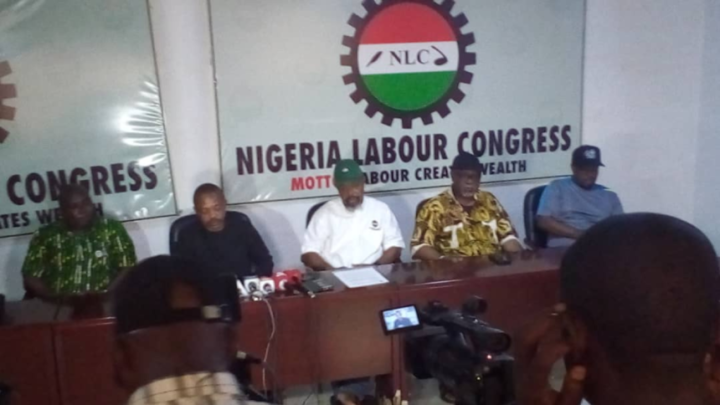
In the days leading up to the signing, opposition leaders and civil society groups staged protests, arguing that some of the amendments could affect fairness, transparency, and the overall integrity of future elections.
Supporters of the changes, however, say the amendments are designed to streamline the electoral process, close existing loopholes, and strengthen governance.
The response has been mixed.
Some political stakeholders welcomed the decision, describing it as a necessary step toward improving electoral efficiency. Others expressed concern that the changes could weaken democratic standards or reduce voter confidence.
Legal and political analysts are now reviewing the amended law to assess its potential impact on upcoming elections, the responsibilities of electoral bodies, and whether court challenges may follow.
What Next
In the coming days, experts are expected to release detailed breakdowns of the amendments and explain how they will affect voters, candidates, and election observers.
There could also be legal challenges from opposition parties or advocacy groups. Electoral authorities are likely to provide further clarification on how the new rules will be implemented.
Public opinion remains divided. While some Nigerians are calling for caution and transparency, others believe the reforms could help improve the country’s electoral system.