Digital Skills Could Open More Doors for Women in Maritime — NIMASA
The maritime industry is rapidly evolving as digital technologies reshape how ships operate, how ports function, and how maritime authorities manage trade and security. In Nigeria and across West Africa, this digital shift is also creating new opportunities for women to participate in the sector.
The Nigerian Maritime Administration and Safety Agency (NIMASA) is pushing for stronger digital skills development to help more women enter and thrive in maritime careers. The agency believes that technology could play a key role in breaking long-standing barriers that have limited women’s participation in the industry.
Why digital skills matter in maritime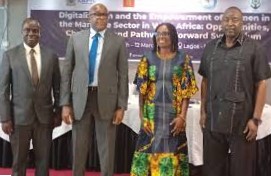
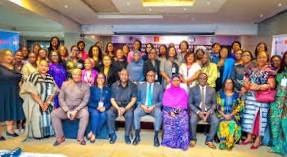
Speaking at a regional symposium in Lagos, the Director-General of NIMASA, Dayo Mobereola, highlighted the growing importance of digital transformation in maritime operations. The event focused on “Digitalisation and the Empowerment of Women in the Maritime Sector of West Africa: Opportunities, Challenges and Pathways.”
According to the agency, digital technologies are changing the maritime landscape. Automation, data systems, smart logistics, and digital platforms are becoming central to how the industry works.
Mobereola explained that digitalisation can help reduce the gender gap in maritime by shifting the focus from physical strength to technical knowledge, innovation, and digital expertise.
In simple terms, the industry is moving from manual operations to knowledge-driven systems—making it easier for more women to participate.
One of the strongest points raised during the symposium was that digital tools can make training and professional development more accessible.
Online learning platforms, digital training modules, and remote education programs allow aspiring maritime professionals to build skills from anywhere. This means that a young woman living in a rural community could access the same maritime training resources as someone in a major city.
This shift could significantly expand the talent pool across the region and encourage more women to explore careers in maritime administration, logistics, safety regulation, and maritime technology.
Historically, women have been underrepresented in maritime careers due to cultural, institutional, and structural barriers. However, industry stakeholders say their participation is critical to improving maritime governance and innovation.
At the symposium, experts stressed that women bring diverse perspectives and solutions that can strengthen decision-making and policy development within the sector.
With the maritime industry undergoing a global digital transformation, stakeholders believe this is the right moment to rethink how the workforce is structured.
The event was organised by NIMASA in collaboration with the Kofi Annan International Peacekeeping Training Centre in Ghana and brought together maritime professionals, government officials, academics, and women’s groups from across West Africa.
Support also came from international partners, including the Danish Ministry of Foreign Affairs and the Inter-Regional Coordination Centre for Maritime Safety and Security in the Gulf of Guinea.
Participants discussed several key issues, including:
-
Digital innovation in maritime governance
-
Building digital maritime skills for women
-
Gender inclusion in maritime security operations
-
Policies that promote equality across the maritime sector
The discussions aimed to strengthen regional cooperation and encourage more inclusive growth in the maritime industry.
As the maritime sector becomes more digital, the skills needed to succeed are also changing. Technical expertise, data management, cybersecurity, and digital logistics are becoming just as important as traditional maritime skills.
For Nigeria and West Africa, promoting digital education and inclusive policies could help ensure that women are not left behind in this transformation.
If the push for digital capacity building continues, the maritime industry could become not only more technologically advanced but also more inclusive.