Justice Crack Remanded Over Viral Video On Army Poor Feeding Raises Fresh Concerns About Freedom of Speech
by Beady Nnanna · Published · Updated
Justice Crark Remanded Over Viral Video On Army Poor Feeding Raises Fresh Concerns About Freedom of Speech
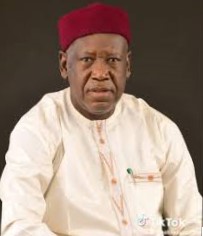
The recent arrest and detention of Chidiebere Justice Mark, popularly known as Justice Crack, has once again raised concerns about freedom of speech in Nigeria and the growing fear many citizens now feel about speaking openly online.
Justice Crack was remanded on Monday by a Federal High Court in Abuja after being arraigned by the Department of State Services (DSS) over a viral video he posted about the alleged poor feeding of Nigerian soldiers.
The social media user, who operates the X account @JusticeCrack, was accused of spreading false information and making statements capable of causing public unrest.
According to court documents, the DSS claimed his post about the welfare of Nigerian Army personnel was false and intended to create hatred, annoyance and division among Nigerians.
The government also accused him of publishing a video and statements that allegedly caused negative reactions and could lead to fear and a breakdown of peace.
Justice Crack was reportedly arrested by the Nigerian Army over the weekend before being handed over to the DSS.
After hearing the matter, Justice Joyce Abdulmalik ordered that he be remanded in DSS custody pending the hearing of his bail application and trial scheduled for May 25, 2026.
The case has sparked fresh conversations among Nigerians, especially on social media, where many people say citizens are becoming increasingly afraid to express their opinions on issues affecting the country.
Critics believe the development reflects the shrinking space for free speech in Nigeria, where people can now face arrest, detention or prosecution over comments made online.
Others argue that while false information should not be encouraged, citizens should still have the right to question government institutions and speak about national issues without fear.
The situation has also renewed debates about the Cybercrimes Act and how it is being used against journalists, activists, bloggers and ordinary Nigerians who speak critically online.
For many Nigerians, the case is another reminder of how difficult it has become to freely express opinions in today’s Nigeria, especially on sensitive national matters.
According to court proceedings reported by Beadysword Blog, the DSS accused Justice Crack of publishing materials capable of causing unrest through his viral video concerning the Nigerian Army.