Nestlé, FG, OPS-WASH renew commitment to safe water
The Federal Government, Nestlé Nigeria, and the Organised Private Sector in Water, Sanitation and Hygiene (OPSWASH) have joined forces to do something simple but life-changing: make sure more Nigerians have access to clean, safe water.
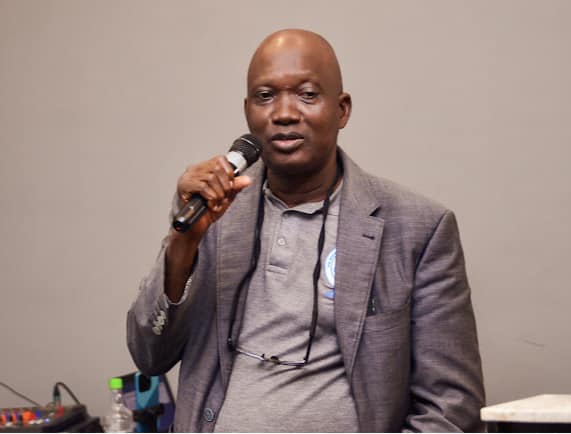
At a training workshop held in Abuja, Dr Nicholas Igwe, Global Coordinator of OPSWASH, said the partnership would now take water quality awareness beyond just project sites and into communities all across the country.
“We want people to understand the quality of the water they consume, its health implications and its broader economic impact,” Igwe explained.
A New Handbook to Spread the Word
At the heart of the effort is a Water Quality Handbook, launched in April with support from the Federal Ministry of Water Resources and Sanitation. The handbook helps communities understand the physical, chemical and biological make-up of water — what’s safe, what’s not, and why it matters.
The plan is to train a network of “master trainers” who will then share this knowledge with states, local government areas and villages. The message is clear: only healthy people can build a healthy economy.
Why It Matters
Unsafe water can cause diarrhoeal diseases, typhoid and other serious illnesses — and that directly affects productivity and economic growth.
The timing of the training is no accident. During the rainy season, flooding can contaminate water sources, making clean water even harder to come by. Teaching people how to handle, store and treat water safely is more important now than ever.
Nestlé’s Big Commitment
The partnership isn’t just words. Nestlé’s Water Regeneration Project is providing 270,000 cubic litres of water every year to 16 communities in Abaji, FCT, and another 130,000 cubic litres to eight communities in Agbara, Ogun.
These amounts match the volume of water Nestlé bottles from those areas each year. Communities are also being involved in the project’s design and monitoring, so they feel ownership and keep it going for the long term.
The project also supports water-harvesting systems for irrigation, helping farmers grow food even in dry conditions.
Working Together for Change
Speaking for the Ministry of Water Resources and Sanitation, director Habu Jamilu said access to water without proper attention to quality would not be enough to protect Nigerians from waterborne diseases. The ministry is committed to working with private companies, development partners and communities to strengthen water quality management nationwide.
Professionals are on board too. Engr. Nnena Igwegbe of the Association of Professional Women Engineers of Nigeria (APWEN) reminded trainers that their role goes beyond technical knowledge — it’s about empowering communities to take up safer water practices in their daily lives.
With the handbook now being rolled out nationwide under the National Water Quality Management Campaign, and master trainers being developed from government agencies, academia and development partners, the goal is simple: healthier, more resilient communities through clean, safe water.
Because when everyone has access to safe water, everyone wins.