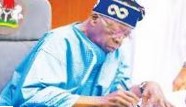
Osun Election: Why Claims of Tinubu’s Support for Adeleke Face Questions
The outcome of the Osun State election has sparked renewed debate over the political interests of President Bola Ahmed Tinubu and his the election. dewsperation to win Osun state
has , Critics of the All Progressives Congress (APC) argue that the party’s actions before and during the election suggested a strong determination to secure victory in Osun State. by snatch and run with it slogan by president Tinubu, going by pre-election violence, threats against opposition supporters and other forms of political intimidation and threats to life by sitting senator and yet president Tinubu looke away generated concerns among residents and political observers,
There were also reports and accusations involving APC figures and supporters allegedly threatening those who refused to support the party. Critics questioned why stronger action was not taken by security authorities in response to such allegations.
The involvement of several APC governors in the Osun election further heightened political tensions. Critics particularly pointed to comments attributed to Edo State Governor Monday Okpebholo, which they interpreted as threatening toward opponents of the APC. These developments added to concerns about the atmosphere surrounding the election.
Another major controversy was the freezing of Osun State Government accounts by the Economic and Financial Crimes Commission (EFCC) shortly before the election. The decision generated significant public and political criticism, with the controversy eventually leading to the accounts being unfrozen.
Despite the tension, voters in Osun turned out to cast their ballots. Supporters of Governor Ademola Adeleke also maintained a presence around the Independent National Electoral Commission (INEC) process, insisting that the votes must be protected and accurately counted.
For many observers, this became an important part of the election story: voters not only cast their ballots but also remained determined to ensure that the results reflected their votes.
This is why claims that President Tinubu was actively supporting Adeleke during the election have been met with skepticism by some political commentators and Adeleke supporters.
Tinubu later congratulated Adeleke on his victory. While the gesture was welcomed as part of democratic tradition, critics have questioned whether the congratulatory message should be interpreted as evidence of political support during the election itself.
The controversy has also revived memories of previous political conflicts and allegations surrounding the government’s response to protests and political violence in Nigeria, including the events of October 20, 2020.
For critics, the central question is simple: Can political leaders who fiercely contest against one another during an election realistically expect immediate political support from their opponents afterward?
The Osun election has therefore become more than a contest over votes. It has raised broader questions about political power, electoral security, the role of government institutions, the conduct of political actors and the responsibility of leaders to protect citizens regardless of their political affiliation.
As Nigeria moves toward the 2027 general elections, the events in Osun are likely to remain part of the country’s wider political conversation.
The question Nigerians must continue to ask is: when political power becomes the priority, who protects the people and their votes?