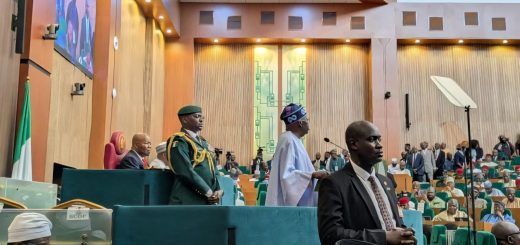
“Silence Louder Than Cheers: Nigerians Turn Their Backs on the President’s Birthday”
A Birthday That Echoed Silence: What Nigerians Are Really Saying
Nigerians did not celebrate President Bola Tinubu’s 74th birthday on March 29, 2026. It came and went quietly across Nigeria’s Digital space. It was the birthday of the nation’s president—a date that, at other times, might have been marked with public goodwill, official fanfare, the shutting down of all social media platforms, and at least a shared sense of national acknowledgement. But this year felt different. Noticeably different, and Nigeria did not hide it.
Beyond messages from close family, political allies, and loyal party members, the broader public response was subdued—almost absent. And in that silence, something deeper seemed to speak; it would have been better left unsaid.
It wasn’t until President online soldier by name Lege, calls out Nigerians for refusing to wish the president happy birthday, and the reason they fail to celebrate the president of a nation, that the quiet broke. What followed wasn’t a celebration—it was a flood. A flood of frustration, anger, and unfiltered emotion that many had clearly been holding back.
For a lot of Nigerians, the question wasn’t why you didn’t celebrate? It was what exactly are we celebrating?
Across conversations—online and offline—people pointed to the same daily realities: rising food prices that stretch household incomes to the brink, persistent insecurity that leaves communities anxious, the killing of Tthose are are supposed to celebrate him in millions, and an economic strain that feels relentless. Words like hunger, hardship, and inflation weren’t just thrown around casually—they came from lived experiences.
This isn’t just about one birthday. It’s about a growing disconnect between leadership and the lived reality of ordinary citizens. When people feel unheard, unseen, or overwhelmed, symbolic moments like birthdays lose their meaning. Celebration, after all, is rooted in hope—and hope is hard to muster when survival feels like the primary goal.
Describing the current perception of leadership in Nigeria is not simple. It sits somewhere between disappointment and expectation, between criticism and a lingering desire for change. Many Nigerians are not just angry—they are tired. Tired of promises that don’t translate into relief. Tired of policies that seem distant from their everyday struggles.
But beneath the frustration lies something important: people still care. The intensity of the reactions shows that Nigerians haven’t checked out—they are watching, feeling, and responding. That, in itself, matters.
The silence on March 29 wasn’t just indifference. It was a message.
A message that leadership today is being measured not by titles or ceremonies, but by impact—real, tangible impact on people’s lives.
Until that changes, celebrations may continue to feel hollow.
And silence may continue to speak louder than words.