APC Primaries Fallout: Reps Fight Back After 26 Current Lawmakers Lose Tickets

The All Progressives Congress (APC) held its House of Representatives primaries ahead of the 2027 elections, and the results have caused serious internal conflict. At least 26 current lawmakers lost their tickets in the process.

Many of them are crying foul, alleging ballot manipulation and candidate imposition. Several lawmakers from Rivers State were disqualified, and there are claims that the screening process was used to settle political scores and favour rival factions within the party.

Tensions have flared in states like Edo, Lagos and Kwara, where candidates and party supporters have condemned irregularities in the primaries. Some of the affected lawmakers, including Prof. Julius Ihonvbere, have vowed to appeal the results, saying the process violated democratic standards.

As more aggrieved members question the legitimacy of the candidate selection process, calls for legal action are growing. The situation has raised serious concerns about the APC’s commitment to internal democracy.

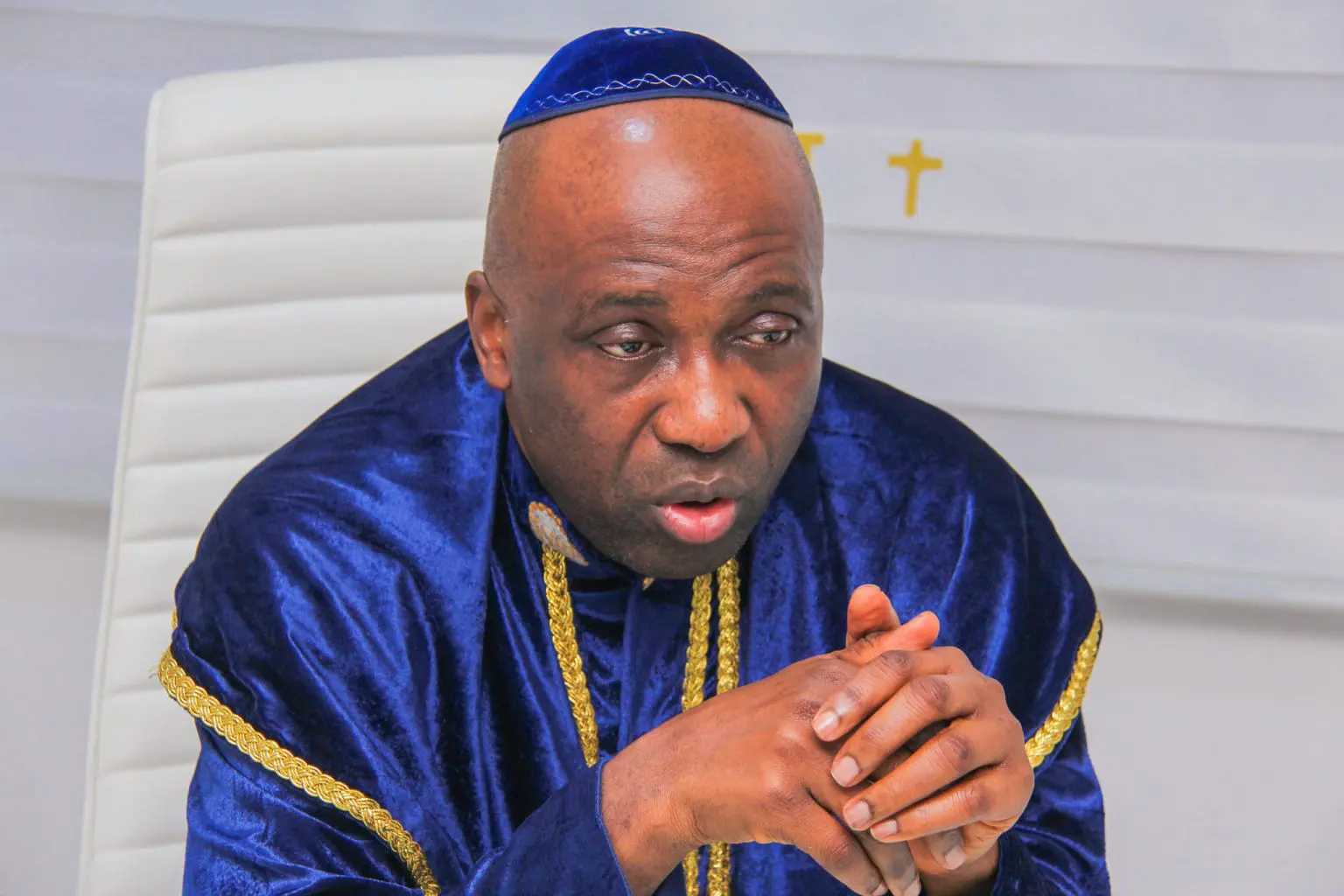
 

The  Wave of Lawmakers Ousted Sparks Questions Over Internal Democracy

The recent primaries of the ruling party  (APC) for the National Assembly of Nigeria have left more than bruised egos—they have ignited a deepening crisis within the ruling party, raising uncomfortable questions about fairness, internal democracy, and the future of political representation in Nigeria.

At least 26 serving members of the House of Representatives failed to secure return tickets, a development that has sent shockwaves across multiple states. For many of the affected lawmakers, the outcome was not simply a reflection of electoral defeat but what they describe as a carefully orchestrated process driven by candidate imposition and so-called “consensus arrangements.”

From Imo to Cross River, Benue to Ogun, the pattern appears consistent: incumbents edged out in favour of preferred candidates, often under opaque circumstances. In Imo State alone, lawmakers such as Matthew Nwogu, Miriam Odinaka Onuoha, Harrison Nwadike, and Emeka Martins Chinedu were all denied a path back to the ballot. A similar story unfolded in Cross River, where Mike Etaba, Godwin Offiono, and others lost out.

Benue recorded its own share of political upsets, with Asema Achado, Dickson Tarkighir, and Terseer Ugbor among those displaced. In Nasarawa, Ogun, Ondo, and Rivers States, the list of casualties continued to grow, cutting across both first-term legislators and more experienced figures.

Perhaps more telling, however, is that the wave did not spare high-profile names. Even established figures like House Majority Leader Julius Ihonvbere were unable to secure their party’s endorsement, signalling that the shake-up runs deeper than routine political turnover.

While party leadership may frame the outcomes as strategic realignments ahead of future elections, critics argue that the process reflects a troubling erosion of internal democratic principles. The widespread allegation of imposed candidates suggests that power may be consolidating in fewer hands, sidelining grassroots participation and weakening trust among party members.

This raises a broader, more pressing question: if elected representatives cannot secure fair contests within their own party, what does that mean for the integrity of the larger democratic system?

As the dust settles, the APC faces a delicate balancing act—managing internal dissent while projecting unity ahead of national elections. For the displaced lawmakers, however, the issue goes beyond party politics. It is about political survival, credibility, and whether the system they serve still offers a level playing field.

In the coming weeks, defections, legal challenges, and quiet negotiations are likely to follow. But beneath all that movement lies a deeper concern—whether Nigeria’s political parties are strengthening democratic values, or slowly drifting away from them.

Kindly Share

You may also like...

Leave a Reply

Your email address will not be published. Required fields are marked *