WCO, World Bank Train Nigeria Customs Officers on Post-Clearance Audit
by Beady Nnanna · Published · Updated
Customs Officials Explain Why Post-Clearance Audits Are Important
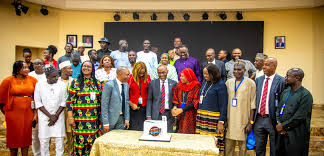
The Nigeria Customs Service (NCS), with support from the World Customs Organisation (WCO) and the World Bank Group (WBG), began the WCO Accelerate Trade Facilitation Programme on January 19, 2026. The programme is aimed at improving trade processes, strengthening compliance, and advancing the modernisation of customs operations in Nigeria.
The training focuses on reviewing ongoing reforms and explaining how key changes, especially in Post-Clearance Audit (PCA), should be carried out. PCA allows customs to check transactions after goods have been cleared, helping to manage risk, encourage honest declarations, and protect government revenue while supporting legitimate trade.
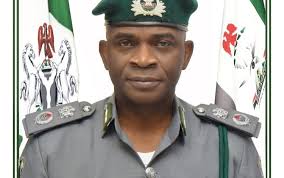
At the opening session, Deputy Comptroller-General Kikelomo Adeola, representing the Comptroller-General, Adewale Adeniyi, said PCA is a key part of a modern customs system. She noted that building officers’ skills and adopting global best practices are important steps toward a more efficient and transparent service.
WCO Trade Facilitation Expert James Clark commended Nigeria for its progress and for aligning its reforms with international standards, especially the development of a PCA manual.
Deputy Comptroller-General Caroline Niagwan said the service is taking deliberate steps to improve risk management and compliance to boost revenue and protect the economy.
Assistant Comptroller-General Babatunde Olomu described the programme as timely, saying it will further strengthen customs capacity in audit-based compliance and trade facilitation.
The five-day programme runs from January 19 to January 23, 2026, and reflects Nigeria’s commitment to working with international partners to improve transparency, efficiency, and economic growth through a stronger customs system.