30,000 Militants Fueling Insecurity in Nigeria – US Report
A new report from the United States Commission on International Religious Freedom (USCIRF) has revealed that about 30,000 armed militants are currently operating across Nigeria, making them some of the deadliest non-state actors in the country.
The May 2026 report states that most of these fighters are Fulani militants, and their activities have severely violated religious freedoms. Violence has surged, especially against Christian communities, leading to thousands of deaths and massive displacement.
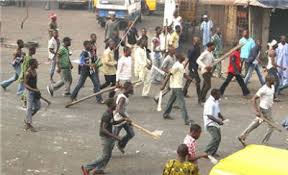
Over 1.3 million people have been affected in Nigeria’s Middle Belt region. The militants typically operate in small groups, attacking isolated rural communities at night using firearms and machetes. Some attacks are deliberately timed to coincide with Christian holidays to cause maximum psychological harm.
The report also criticized security forces for their slow response and alleged favoritism toward Muslim communities, which has worsened tensions in the region.
Several efforts have been made to reduce the violence, including the creation of ranch lands for herders and new government designations of these groups as terrorist organizations. But despite these measures, the attacks continue, pointing to a deep insecurity crisis in central Nigeria.
A new report from the United States Commission on International Religious Freedom (USCIRF) has revealed that about 30,000 armed militants are currently operating across Nigeria, making them some of the deadliest non-state actors in the country.
The May 2026 report states that most of these fighters are Fulani militants, and their activities have severely violated religious freedoms. Violence has surged, especially against Christian communities, leading to thousands of deaths and massive displacement.
Over 1.3 million people have been affected in Nigeria’s Middle Belt region. The militants typically operate in small groups, attacking isolated rural communities at night using firearms and machetes. Some attacks are deliberately timed to coincide with Christian holidays to cause maximum psychological harm.
The report also criticised security forces for their slow response and alleged favouritism toward Muslim communities, which has worsened tensions in the region.
Several efforts have been made to reduce the violence, including the creation of ranch lands for herders and new government designations of these groups as terrorist organisations. But despite these measures, the attacks continue, pointing to a deep insecurity crisis in central Nigeria.